We talk a lot about conscious consumption and making better choices for the planet and its people. But have you ever stopped to consider the sheer depth of impact a single piece of clothing has before it even reaches your wardrobe? It’s more than just fabric and thread; it’s an intricate system with far-reaching consequences.
At Fractured, we believe in shedding light on these often-hidden truths, empowering you to make truly informed decisions. Let’s peel back the layers and see just how much goes into “just clothes.”
The Unseen Journey of a Garment: A Data-Backed Dive
From the seed to the seam, a garment’s journey is incredibly resource-intensive and impacts countless lives.
- Raw Material Cultivation: Take cotton, for example – a natural fibre, right? While better than synthetics in many ways, conventional cotton farming is incredibly water-intensive, requiring thousands of litres of water for just one t-shirt. It also often relies heavily on pesticides and insecticides, polluting soil and waterways and impacting the health of farmers.
- The Data: Did you know that it can take up to 2,700 litres of water to produce the cotton needed for a single t-shirt? That’s roughly enough drinking water for one person for 2.5 years! (WWF, 2013, https://www.worldwildlife.org/magazine/articles/handle-with-care)
- Manufacturing & Processing: Once harvested, raw materials undergo numerous processes: spinning, weaving, dyeing, finishing. Each stage consumes energy, water, and often involves toxic chemicals. Dyeing alone is a massive polluter, with wastewater often discharged untreated into rivers, impacting ecosystems and local communities.
- The Data: The fashion industry is responsible for 20% of global wastewater. (UN Environment Programme, 2018, https://unece.org/forestry/news/fashion-environmental-and-social-emergency-can-also-drive-progress-towards)
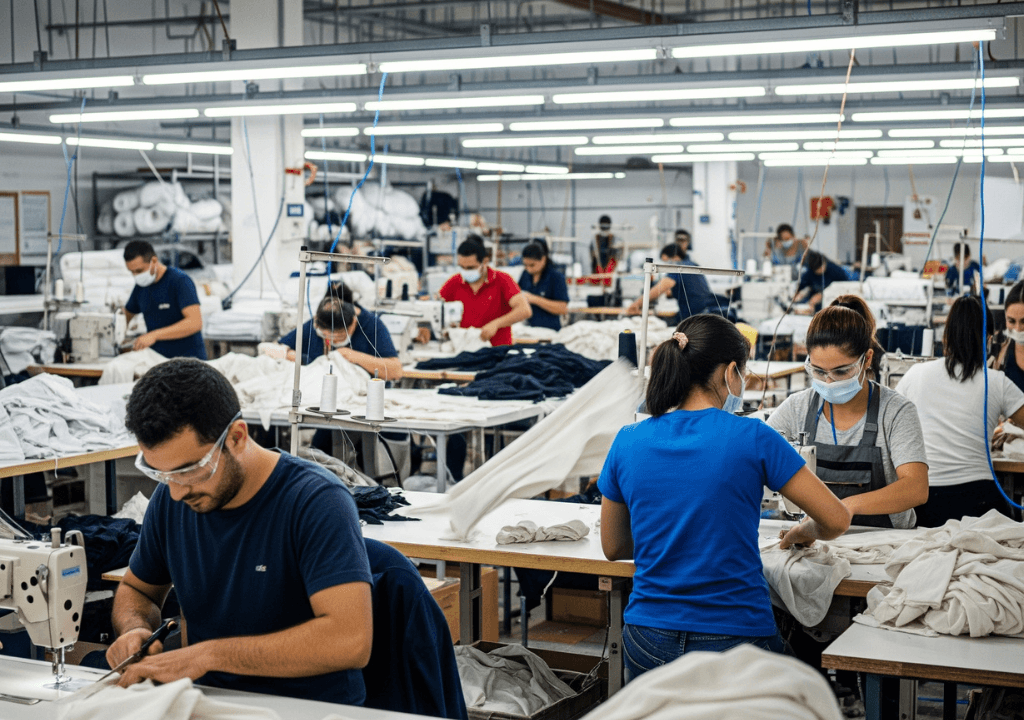
- Supply Chain & Labor: This is where the human element becomes acutely visible. The global fashion supply chain is incredibly complex, often relying on low-wage labor in developing countries. Workers, predominantly women, frequently face poor working conditions, long hours, and insufficient pay.
- The Data: It’s estimated that only 2% of garment workers globally earn a living wage. (Fashion Revolution, 2023, https://issuu.com/fashionrevolution/docs/fashion_transparency_index_2023_pages)
- Transportation: The finished garments then travel across continents, usually by sea, air, or road, contributing significantly to greenhouse gas emissions.
- Consumer Use & End-of-Life: And the journey doesn’t end when you buy it! How often you wear it, how you wash it, and how you dispose of it all contribute to its environmental footprint. Landfills are overflowing with discarded textiles, many of which could have been repurposed, repaired, or recycled.
- The Data: Globally, an estimated 92 million tonnes of textile waste is created each year, and this figure is projected to rise to 134 million tonnes by 2030. (Pulse of the Fashion Industry Report, Global Fashion Agenda & Boston Consulting Group, 2017, cited by WWF, https://wwf.panda.org/discover/our_focus/freshwater_practice/water_stewardship/our_sectors/apparel_and_textiles/)
Beyond the Fabric: The Systemic Impact
Your clothes are not isolated items. They are nodes within a vast, interconnected system that touches:
- Environmental Health: Water scarcity, soil degradation, air pollution, biodiversity loss, and climate change.
- Human Rights: Fair wages, safe working conditions, gender equality, and community health.
- Economic Equity: The distribution of wealth and opportunities throughout the supply chain.
What to Look For in Conscious Fashion: Reclaiming the System
Understanding this systemic impact empowers us to seek out brands that are actively working to create a better system. When you’re looking for conscious fashion, consider these key elements:
- Transparency: Does the brand openly share information about their supply chain, manufacturing processes, and material sourcing?
- Ethical Production: Do they ensure fair wages, safe working conditions, and respect for human rights for their garment workers? Look for certifications like Fair Trade.
- Sustainable Materials: Are they using materials with a lower environmental footprint, such as organic cotton, recycled fabrics, linen, hemp, or innovative plant-based alternatives?
- Durability & Quality: Are the clothes made to last? Conscious fashion prioritises quality over quantity, encouraging fewer, more meaningful purchases.
- Circular Economy Principles: Does the brand offer repair services, take-back programs, or design for recyclability?
- Certifications: Look for trusted certifications that verify environmental and social standards.
At Fractured, every brand we partner with is carefully vetted against these principles. We believe that by supporting businesses committed to a more responsible fashion system, you’re not just buying clothes – you’re investing in a better future for people and planet.
Recent Comments